
Are Heat Pumps Worth It for Pool Heating in Adelaide? A Complete Assessment
Pool heat pump systems offer reliable, year-round warmth at lower running costs than gas or electric resistance heating. This guide covers Adelaide's climate advantages, real efficiency numbers, solar PV compatibility, and what to consider before you invest.
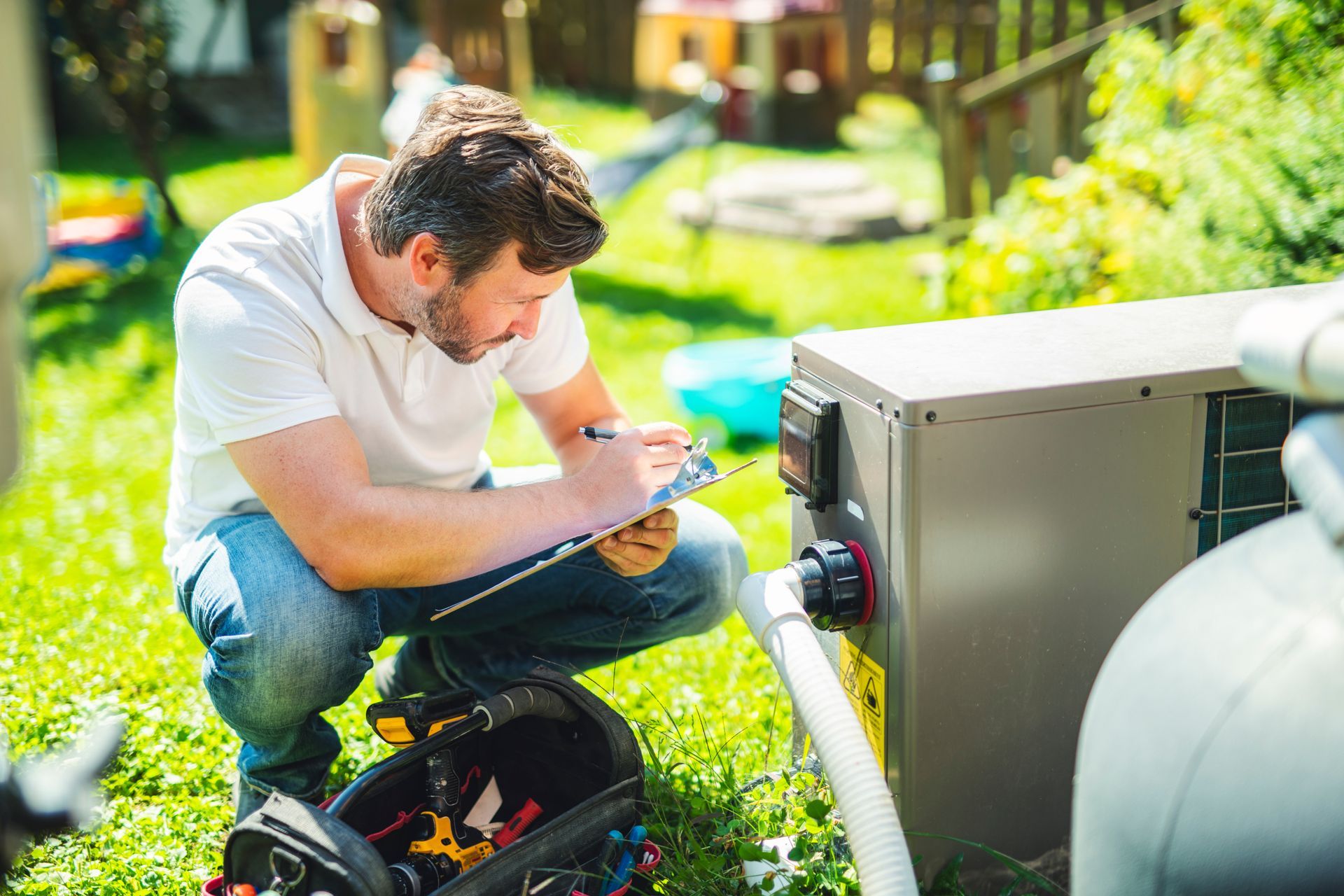
Why Adelaide's Climate Makes Pool Heaters Especially Efficient
Adelaide's mild winters and long, sunny springs and autumns make it an ideal location for a pool heating system, which performs best in moderate to warm conditions. Efficiency rarely drops sharply across suburbs from Glenelg to the Adelaide Hills, and the extended shoulder seasons allow heating well beyond what solar panels alone can manage on cloudy days.
The key metric is the Coefficient of Performance (COP). A modern full-inverter unit can deliver 5 to 7 kWh of heat for every 1 kWh of electricity consumed, translating directly to lower running costs compared to gas or electric resistance heating.
How Do Pool Heating Systems Compare to Gas Pool Heaters on Cost?
Even at Adelaide's typical electricity rate of around 43.9 cents per kWh, a pool heater's high COP means the effective cost per unit of heat delivered is well below what gas achieves, particularly as gas prices trend upward. Electric resistance heaters convert electricity to heat at a 1:1 ratio, making them far more expensive to run than a heating system, which multiplies every kilowatt drawn from the grid.
Pairing a Pool Heating System With Your Existing Solar PV System
Many Adelaide homes already have rooftop solar, and this is where a pool heating system delivers outstanding value. Scheduling the unit to run during peak solar generation hours, typically mid-morning to mid-afternoon, allows it to draw largely on free solar energy. These units also work most efficiently when air temperatures are warmer, making this overlap a practical advantage.
One consideration: a larger unit may draw more power than a modest solar array can supply alone in winter, so discuss system sizing with a professional before purchasing.
Pool Heaters vs. Hot Water Heat Pumps
These are different products. A pool heating system heats large volumes of water to a lower target temperature (typically 26 to 30°C) at high flow rates. A heat pump water heater heats a storage tank to 60°C or higher for domestic use. They are not interchangeable. If you are researching pool heating in Adelaide, SA, you need a unit specifically rated and sized for pool use.
Key Pros and Cons at a Glance
Pros:
▸ Low running costs compared to gas or electric resistance heating.
▸ Long service life, often 10 to 15 years or more with proper maintenance.
▸ Compatible with existing solar PV systems.
▸ Works reliably across Adelaide's seasonal temperature range.
Cons:
▸ Higher upfront cost than basic gas heaters.
▸ Efficiency may decrease slightly below 10°C.
▸ Correct sizing is critical; an undersized unit will struggle in winter.
Ready to Find Out if a Pool Heating System Is Right for Your Pool?
For a personalised assessment of which system suits your pool size, usage habits, and solar setup, reach out to the team at Beasley Pool Heating serving Adelaide, SA. Call (08) 8349 4333 for an obligation-free consultation, or get in touch online. You can also find Beasley Pool Heating on Google Maps.